

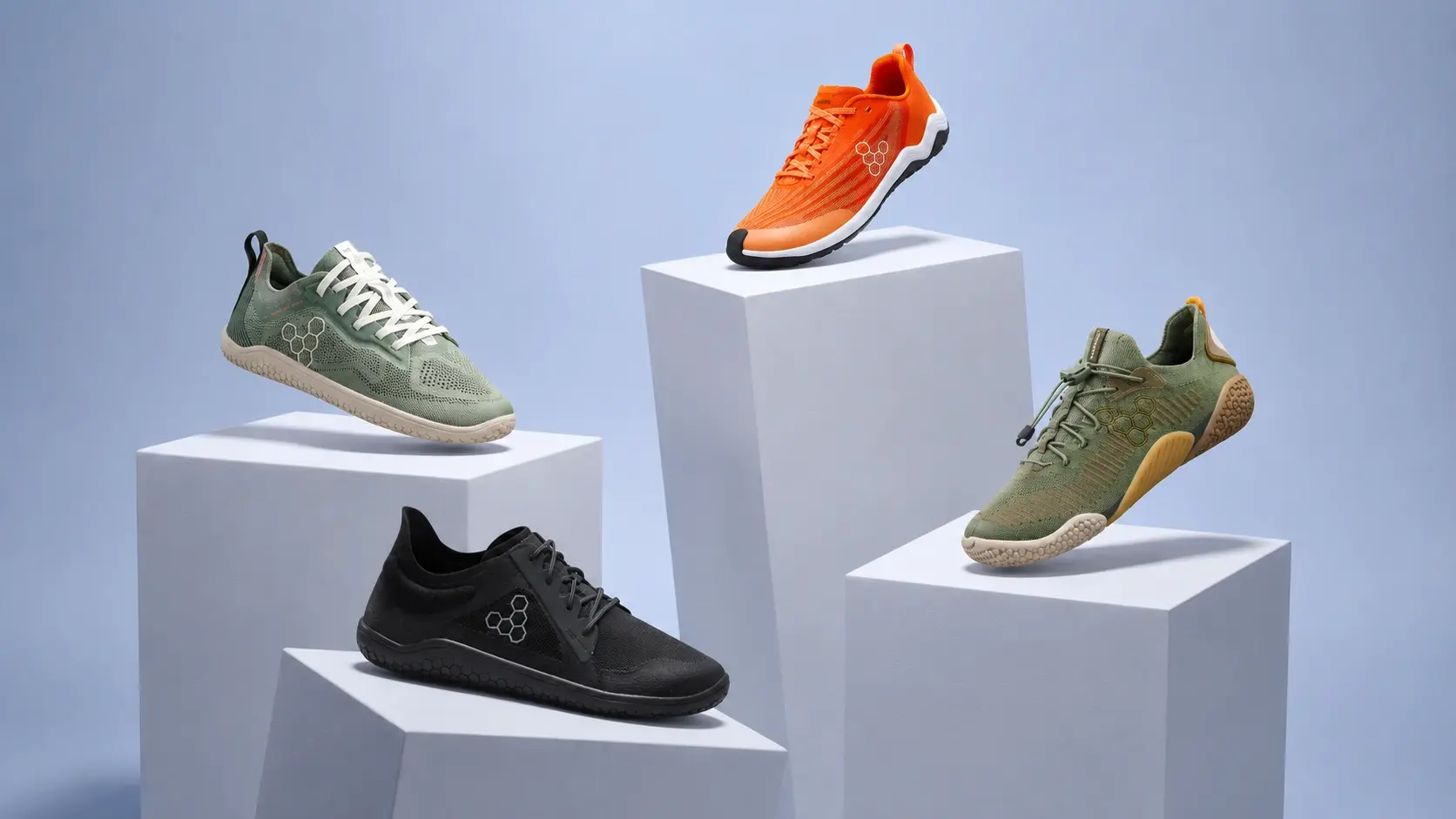
Vivobarefoot has become one of the most recognizable names in minimalist footwear, and for good reason. Independent testing panels at outlets like Outdoor Life and OutdoorGearLab consistently rank the brand's models at or near the top of their barefoot shoe roundups, praising the combination of foot-shaped design, low stack heights, and durability that outperforms cheaper barefoot alternatives. Picking the best Vivobarefoot shoes for your specific activity, however, requires knowing which model is genuinely built for walking, running, or hiking, since each line has a different strength.
This guide breaks down the top Vivobarefoot picks for each activity based on real-world testing, along with what to expect during the transition period, sizing considerations, and how to shop the brand without overpaying. You can also check our own Vivobarefoot coupons code for the latest verified offers we've tracked, so you're not paying full retail on a pair that regularly gets marked down.
Why Vivobarefoot Stands Out in the Barefoot Category
Barefoot shoes have exploded in popularity over the past few years, and the market is now flooded with brands ranging from budget knockoffs to premium options like Lems and Xero. What separates Vivobarefoot from the crowd is the balance the brand strikes between authentic barefoot feel and everyday practicality. Independent testers frequently note that Vivobarefoot models look genuinely wearable in everyday settings, while cheaper competitors often sacrifice styling for function or fall apart within months.
Two specific advantages come up repeatedly in expert reviews. First, Vivobarefoot uses the same foot-shaped last across most of its lineup, which means once you know your size in one model, you can generally count on it fitting the same way in others. Second, the brand offers a 100-day return policy on shoes purchased from its own site, giving buyers a legitimately generous window to test whether barefoot shoes work for their feet before committing.
Best Vivobarefoot Shoes for Walking
Primus Lite IV
For casual, everyday walking, this is the model that shows up most often in tester recommendations. The Primus Lite IV combines a thin, flexible sole with a wide toe box that lets toes splay naturally, delivering the kind of ground feedback that defines the barefoot experience. It also transitions well from a walk to a gym session or an evening out, since the styling is clean enough to work with most casual outfits rather than looking like specialized athletic gear.
The Primus Lite Knit variant is worth mentioning specifically for durability. In independent lab testing, it earned top marks for abrasion resistance and outsole longevity, making it a strong choice if you tend to log significant daily walking mileage.
Geo Court
If your walking happens mostly in urban environments, offices, or business-casual settings, the Geo Court is designed to look like a standard modern sneaker while still delivering full barefoot function. It's a smart pick for anyone who wants to shift their everyday footwear toward minimalist shoes without the athletic look that some barefoot models carry.
Gobi II Leather
For travelers or anyone who wants one shoe that handles a wide variety of situations, the Gobi II Leather has become a go-anywhere option. The leather upper adds structure over the fabric-based models, which testers note holds up well during long travel days and looks refined enough to dress up when needed while still delivering the same flexible, grounded feel underneath.
Best Vivobarefoot Shoes for Running
Running in barefoot shoes is a bigger commitment than walking in them, since your feet, calves, and ankles need time to adapt. Vivobarefoot's running options are best paired with a gradual transition rather than jumping straight from cushioned running shoes to zero-drop minimalism.
Primus Lite III / IV
For road running and lighter mixed-surface running, the Primus Lite line remains a consistent favorite among barefoot runners. The thin sole gives excellent ground feel on smooth pavement, which is exactly what a barefoot runner is looking for, and the shoe's flexibility encourages the lighter, midfoot-first stride that barefoot running is designed to promote. Long-term owners have reported wearing the same pair for multiple years before showing meaningful wear.
Motus Strength
Not strictly a running shoe, but worth flagging for anyone whose training mixes short runs with strength work or gym sessions. Testers describe the Motus Strength as an all-around option that excels on smooth surfaces like roads, tracks, or gym floors, with enough traction to handle occasional light off-road use without leaving you stranded.
Primus Trail III FG
Trail runners have their own top pick within the Vivobarefoot lineup. Independent trail testers who logged over 60 miles on rugged terrain called out the Primus Trail III FG as delivering the best balance of ground feel and rock protection among tested barefoot trail options. The 6mm sole blocks sharp edges without dulling ground feedback, and the tread pattern sheds mud better than several competing barefoot trail shoes.
Best Vivobarefoot Shoes for Hiking
Hiking is where Vivobarefoot's technical lineup really separates itself from the competition, since minimalist hiking footwear has to solve for terrain variety, weather protection, and durability in ways that walking shoes don't.
Tracker Forest ESC
Based on 2026 hiking-focused testing, the Tracker Forest ESC is consistently named the strongest all-around Vivobarefoot hiking boot on the market. Its water-resistant leather upper and durable ESC sole handle everything from muddy trails to rocky peaks while preserving the sensory ground feedback that defines the brand. For serious hikers logging real mileage on technical terrain, this is the model that shows up at the top of expert rankings.
Tracker Leather
If the ESC's rugged tread is more than your typical trails demand, the Tracker Leather offers a slightly less aggressive alternative that still delivers natural water resistance, solid traction, and a removable thermal insole for seasonal use. Long-time owners often describe it as the best combination of barefoot feel and traditional hiking-boot function in the lineup.
Magna FG
For hikers who want a taller, more structured boot that also looks at home in urban settings, the Magna FG splits the difference between a hiking boot and an everyday hi-top. It works well for hikers who want a versatile pair that can transition from a trail to a coffee shop without needing a change of shoes.
Magna Forest ESC / Tracker Decon FG2
For serious backpacking, cold weather, and extreme conditions, Vivobarefoot's top-tier hiking boots incorporate leather and merino wool for temperature regulation and durability. These aren't the right choice for warm-weather summer hiking, but for cold, wet, or technical winter conditions, they represent the brand's most advanced hiking footwear.
What to Know Before You Buy Vivobarefoot Shoes
A few things are worth understanding before your first pair arrives, since barefoot shoes require adjustment even when they're the right pick for you:
Give yourself a transition period. Testers and pedorthists consistently recommend at least six weeks of gradual use before running or hiking long distances in barefoot shoes. Alternating between your new pair and traditional shoes helps your feet and calves build strength without excessive strain.
The fit is foot-shaped, not high-volume. Vivobarefoot works best for standard-width to slightly wide feet. If you have a particularly high-volume foot or an unusually wide forefoot, the fit may feel tight even in the correct size.
The 100-day return policy is legitimately useful. Buying from Vivobarefoot's own site (rather than a third-party marketplace) gives you meaningful time to test a pair for real-world use before deciding to keep it.
The free Barefoot Fundamentals course adds real value. Purchases from the brand's site include access to an educational course that pedorthists have specifically recommended for building the foot strength barefoot shoes require.
Price reflects durability. Vivobarefoot models cost more upfront than cheaper barefoot competitors, but real-world testers consistently report multi-year durability that ends up cheaper per mile than replacing lower-priced pairs every year.
Quick Model Comparison
To pick the right Vivobarefoot for your primary use case:
Everyday walking and casual gym use: Primus Lite IV
Urban and office environments: Geo Court
Travel and versatile all-purpose: Gobi II Leather
Road running: Primus Lite III or IV
Trail running: Primus Trail III FG
All-around hiking: Tracker Forest ESC or Tracker Leather
Cold or extreme conditions: Magna Forest ESC or Tracker Decon FG2
Gym plus light running: Motus Strength
The Bottom Line
The best Vivobarefoot shoe for you comes down to matching the model to your primary activity rather than assuming one pair will do everything. The Primus Lite line dominates walking and road running, the Primus Trail III FG stands out for trail running, and the Tracker Forest ESC leads the hiking category based on independent 2026 testing. With Vivobarefoot's 100-day return policy backing you up, the risk of picking the wrong model is much lower than it looks, provided you buy directly from the brand rather than a third-party seller.
For the latest verified offers, bookmark our Vivobarefoot promo codes, where we track current discounts across walking, running, and hiking models so you don't have to pay full retail on a pair that regularly gets marked down.